

Search
2. Workshop in Dortmund
Manche Regeln scheinen auf den ersten Blick ungerecht – zum Beispiel: Schüler*innen dürfen nicht zu spät kommen, Lehrer*innen schon. Oder: Nur Schüler*innen ab der 10. Klasse dürfen in der Mittagspause auch das Schulgelände verlassen. Grundsätzlich gilt: Wer Regeln verändern will, braucht gute Argumente.
3. Workshop in Meerane
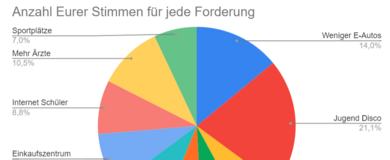
Abstimmungsergebnisse der Umfrage unter den Schülerinnen und Schülern
In June 2022, the alumnae and alumni of the WZB finally met again at the WZB – due to the pandemic we all had to wait almost three years. At the heart of the program was a reading initiated by alumni speaker Christoph Albrecht: Former SPIEGEL deputy editor-in-chief Martin Doerry read from the letters of German-Jewish doctor Lilli Jahn with her children.
Seminar Series 2026
03 March - Björn Bremer (Central European University (CEU)
Seminar Series 2024
November 12, 2024 - Jeffrey Kopstein
University of California, Irvine
November 26, 2024 - Carl Henrik Knutsen
University of Oslo
Workshop March 30 - 31, 2026
Contemporary Conservatism in Crisis: Integration and Erosion of the Center-Right
"America has chosen - what now?"
November 20, 2024, room A 300
"Democracies: What weakens and strengthens them"
May 23, 2024 at WZB, room A 300
WZB Talk "Race, Class, and What Else? Policies and Politics in American Cities"
December 12, 2023 via Zoom
Book presentation "Undemocratic Emotions - The example of Israel"
April 24, 2023 at WZB, room A 300
Seminar Series 2022: Democracy - Past, Present, and Future
This seminar series explores the past, present, and future of democracy – its institutions and norms – and some chronic dilemmas in the practice of democracy.
Conference "Political Violence and Democratic Backsliding"
October 06 and 07, 2022 at WZB
Workshop "Meta-analysis"
July 22, 2022 via Zoom
"Local Inequality, Co-ethnicity, and Perceived Economic Satus"
May 05, 2022 at WZB, room A 310
Workshop "Data Management for Social Scientists - From Files to Databases"
May 05, 2022 at WZB, room A 310
Seminar Series 2022: "Cleavage Identities in Voters’ Own Words: Harnessing Open-Ended Survey Responses"
March 31, 2022 via Zoom
Seminar Series 2022: "Radical American Partisanship: Mapping Violent Hostility, Its Causes, and the Consequences for Democracy"
March 17, 2022 via Zoom
Seminar Series 2022: "Citizens’ Commitment to Judicial Independence: A Discrete Choice Experiment in Nine European Countries"
February 24, 2022 via Zoom
"Framing a Protest: Determinants and Effects of Visual Frames"
February 17, 2022 via Zoom
Seminar Series 2022: "After the arrivals: How rural and urban areas differ in their reactions to asylum seekers"
February 17, 2022 via Zoom
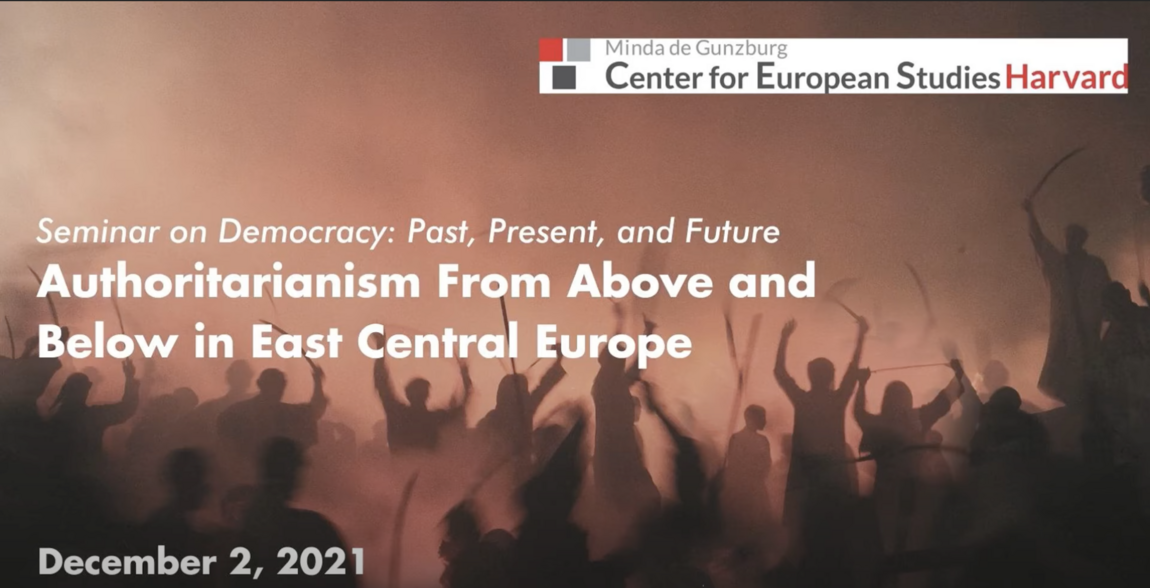
"Authoritarianism From Above and Below in East Central Europe"
December 02, 2021 via Zoom
Speakers
Workshop “The Rise of Grassroots Radicalism and its Political Effects”
November 05, 2021 at WZB
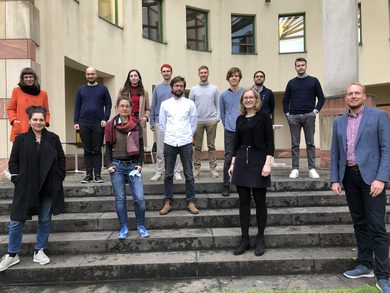
Workshop "RMarkdown: Writing Reproducible Research Papers with R"
November 01, 2021 via Zoom
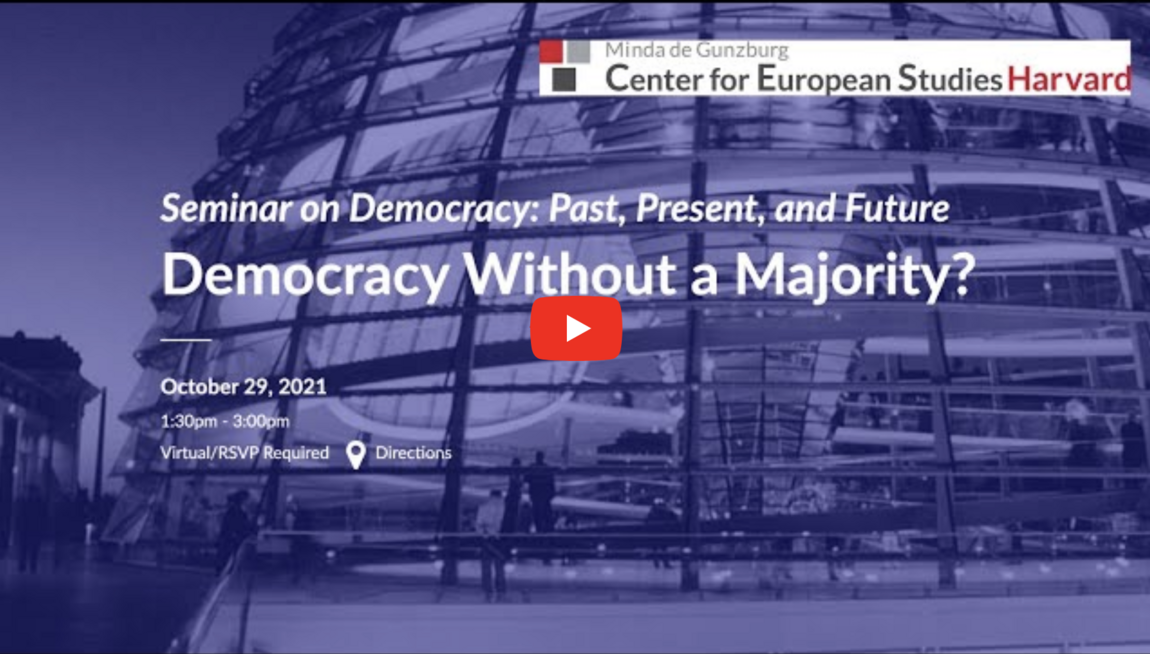
Panel Discussion "Democracy Without a Majority?"
October 29, 2021
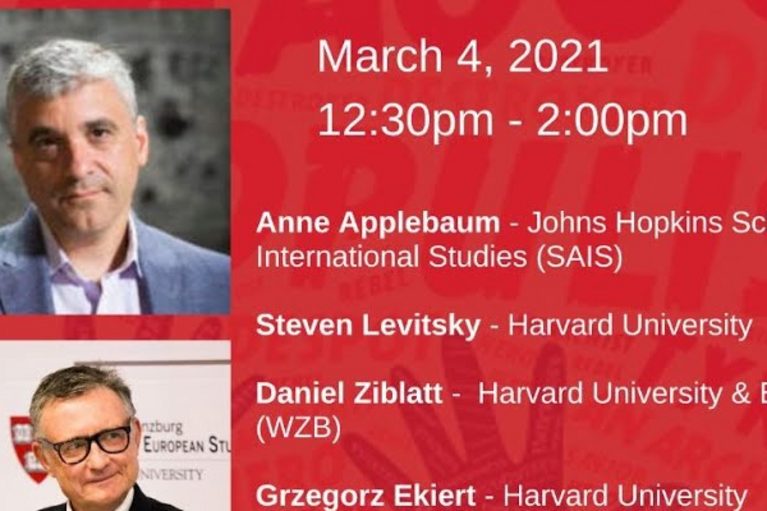
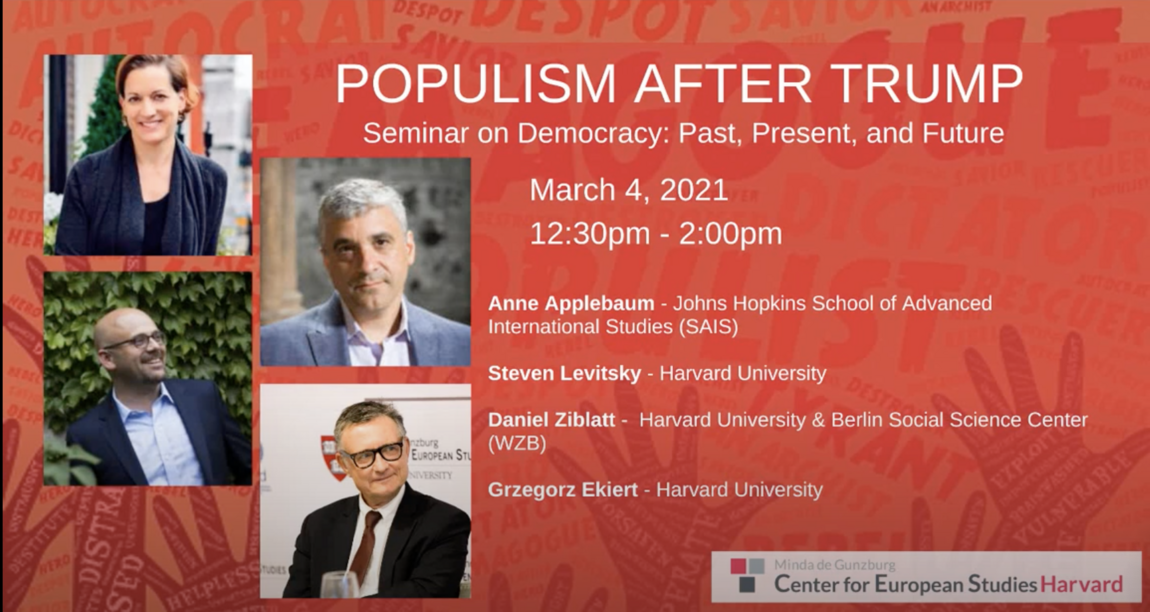
Panel Discussion "Populism after Trump"
March 04, 2021 via Zoom
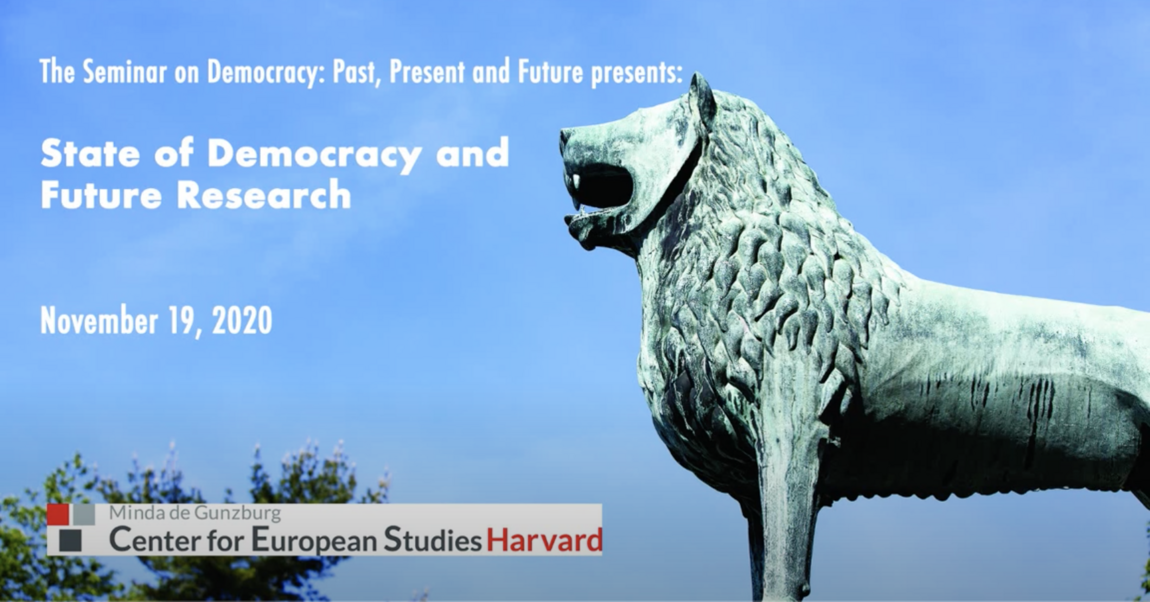
Opening Event "The State of Democracy and Future Research"
November 19, 2020 am WZB
Speakers
In this research pillar, we study how key norms of democracy such as pluralism and mutual tolerance emerge and are sustained, with a particular focus on the role of the politics of memory. In democratic societies, how we collectively remember the past and engage with our nations’ histories is increasingly contested.
Publications
Firestone, Berenike, Ruth Ditlmann, and Oguzhan Turkoglu. 2025. "Confronting the past in a polarized present: holocaust representations motivate people for symbolic justice and against antisemitism." Social Forces. Online First.
Selected Publications
Articles in reviewed journals
Articles in reviewed journals
Conte Keivabu, R. Spatial and temporal disparities in air pollution exposure at Italian schools. Genus 79, 27 (2023). https://doi.org/10.1186/s41118-023-00206-9
Van Hootegem, A., Røgeberg, O., Bratsberg, B. et al. Correlation between cognitive ability and educational attainment weakens over birth cohorts. Sci Rep 13, 17747 (2023). https://doi.org/10.1038/s41598-023-44605-6
Articles in non-reviewed journals
Articles in reviewed journals
Die Wahl zum 21. Deutschen Bundestag am 23. Februar 2025 ist besonders: Eine vorgezogene Neuwahl, sieben Monate früher als geplant. Nach dem Bruch der Ampel-Koalition im November und der verlorenen Vertrauensfrage von Bundeskanzler Scholz im Dezember setzte Bundespräsident Steinmeier die Wahl für Februar an.
AfD, BSW und Die Linke und ihre programmatischen Positionen zur Bundestagswahl 2025
Dieser Text steht unter einer Creative Commons Namensnennung 4.0 International Lizenz.
Welche Themen die Wahlprogramme prägen 2025 – und welche nicht
Dieser Text steht unter einer Creative Commons Namensnennung 4.0 International Lizenz.